If you live in the San Francisco Bay Area, there are nights when lighting a fire in your fireplace is against the law. When the Bay Area Air District issues a Spare the Air Alert, it is illegal to burn wood, manufactured fire logs or any other solid fuel, indoors or outdoors. Gas, propane and electric fireplaces are still fine. And since October 2025, the rules are stricter than many homeowners realize. Here is the short version, followed by the details that actually matter when you are standing in front of a cold hearth on a December evening.
What is a Spare the Air Alert?
A Spare the Air Alert is issued when the Air District forecasts that fine particle pollution (PM2.5) will reach unhealthy levels. Wood smoke is a big part of that picture. The Air District says smoke from residential wood burning is the leading cause of air pollution in the Bay Area during winter, and that it accounts for more than 10 percent of the region's PM2.5 emissions over a full year. Cold, calm nights make it worse. A temperature inversion acts like a lid, trapping smoke close to the ground, right where your family and your neighbors are breathing. Alerts can be called up to three days ahead, so a clear, pleasant afternoon is no guarantee that a fire is allowed that night.
What changed in October 2025?
On October 1, 2025, the Air District's board adopted amendments to Regulation 6, Rule 3 (Wood-Burning Devices). Three changes affect everyday fireplace use:
• A lower trigger. The forecast threshold for an alert dropped from 35 to 25 micrograms per cubic meter of PM2.5. In practice, alerts can now be called on days with air that looks and smells perfectly acceptable.
• No more exemption for open hearths. If a traditional open-hearth fireplace is your only source of heat, it no longer qualifies for an exemption.
• Year-round authority. The ban applies any time an alert is in effect, not only in winter. That includes alerts driven by wildfire smoke.
The first alerts of the 2025–26 winter came on the day before Thanksgiving and on Thanksgiving Day itself, and a third followed for New Year's Day. The holidays you most want a fire are exactly when conditions tend to line up against it.
What is banned and what is allowed during an alert
Device or fuel - During a Spare the Air Alert Wood in an open fireplace - Banned Manufactured fire logs - Banned Wood stoves and pellet stoves - Banned, unless the device is your sole source of heat and qualifies for the exemption (see below) Outdoor fire pits - Banned Natural gas or propane fireplace - Allowed Electric fireplace - Allowed
The exemption is narrow. It applies only to households whose sole source of heat is a wood-burning device, and the device must be EPA-certified or pellet-fueled and registered with the Air District. An open-hearth fireplace does not qualify.
How to know before you light a fire
Do not guess. Check first, every time, especially on cold, still evenings.
• Sign up for automatic phone alerts at sparetheair.org/alerts. • Download the Spare the Air app for iPhone or Android. • Make it a habit: if the forecast is cold and windless, look before you strike a match.
The rules cover the Air District's service area, which includes Marin, Napa and Santa Clara counties (so San Jose and Palo Alto), plus the southern part of Sonoma County. If you are near a county line, confirm your address with the Air District.
What this means for your chimney
The alert system limits how often you can burn. It does not change how well your chimney needs to work on the days you can. Three things are worth your attention.
- Burn clean on the days you are allowed. Use dry, seasoned firewood and build a fire that burns hot rather than one that smolders. A smoldering fire makes more smoke and leaves more creosote, the tar-like residue that builds up inside the flue. Never burn garbage or plastics; that is banned outright. Firewood sold in the Bay Area is also required to carry labeling, so check what you are buying.
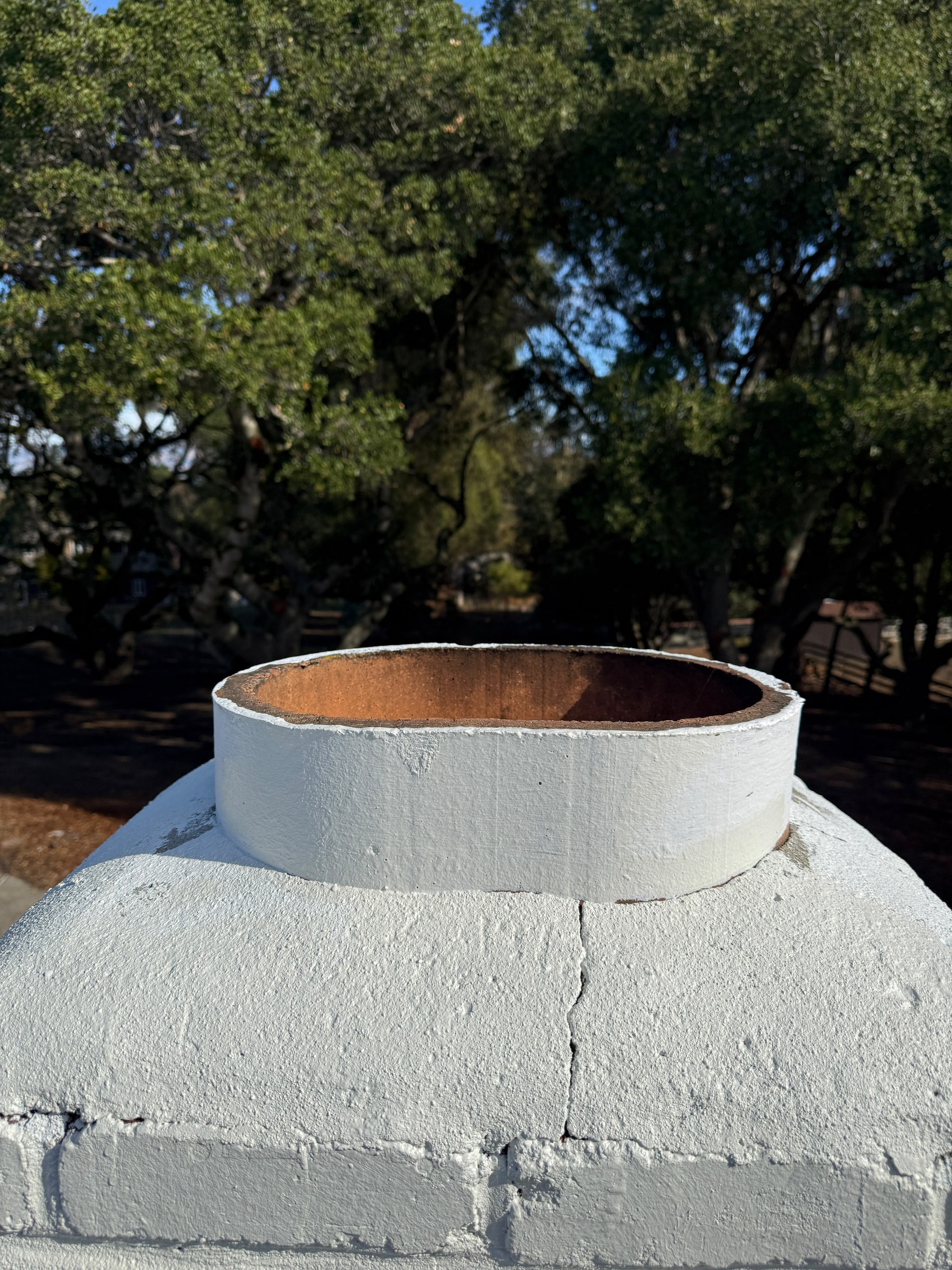
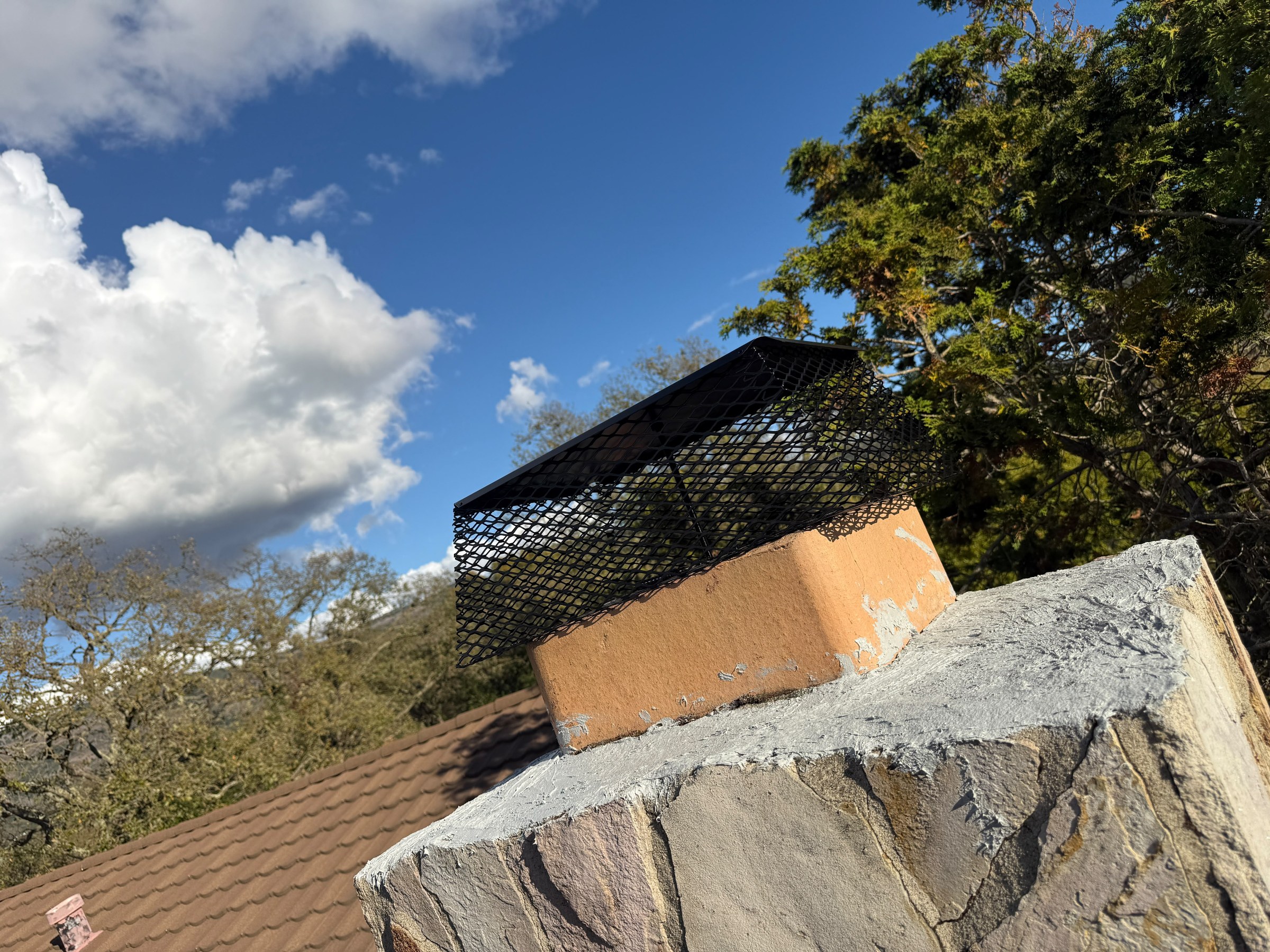
- Inspect it every year, even if you burn less. NFPA 211, the national standard for chimneys and venting, calls for an inspection at least once a year. Burning less does not mean your chimney needs less attention. A flue that sits idle can collect nesting material and debris, and our rainy season will find any crack in the crown, a missing cap or a worn flashing. You want to learn that in October, not in the middle of a storm.
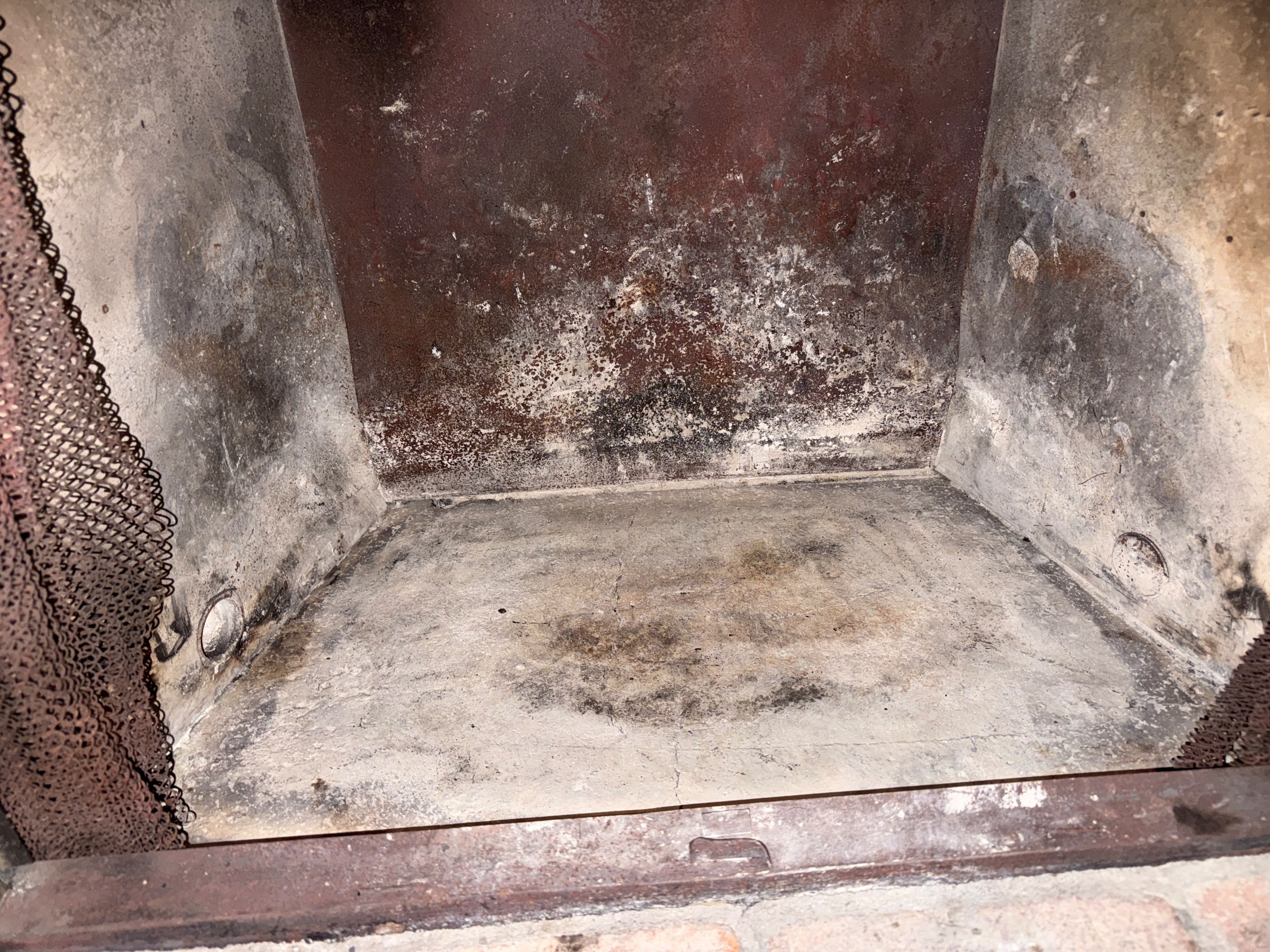
- Thinking about gas? Many Bay Area homeowners respond to the rules by adding a gas log set or insert, and it is a sensible way to keep a fire on alert days. Before you buy, have the flue and firebox evaluated. An old masonry chimney may need repairs or a liner before it is ready for a gas appliance.
A quick pre-season checklist
• Check that the damper opens, closes and seals fully. • Look at the cap or spark arrestor, and make sure it is in place and not blocked. • Look for staining, white powdery deposits or flaking on the masonry, which can point to moisture. • Do not store firewood against the house, and keep it covered but ventilated. • If you have burned more than a cord or two, or you notice a sooty glaze inside the flue, schedule a cleaning. • Confirm your carbon monoxide and smoke detectors work.
Frequently asked questions
Can I burn wood during a Spare the Air Alert if it is just for ambiance? No. The ban applies no matter the reason. If you want a flame on an alert day, use a gas, propane or electric fireplace.
Do manufactured fire logs count as wood? Yes. The ban covers wood, manufactured fire logs and any other solid fuel.
Are outdoor fire pits included? Yes. The rule applies to fireplaces, wood stoves, pellet stoves, outdoor fire pits and any other wood-burning device.
Does an open-hearth fireplace qualify for an exemption? No. Not since the 2025 amendments.
What happens if a neighbor complains? Anyone can report a violation to the Air District at 1-877-4NO-BURN. First-time violators are encouraged to take a wood smoke awareness course.
Do the rules apply to rentals and home sales? The rule also requires anyone selling, renting or leasing a Bay Area property to provide a disclosure about the health impacts of burning wood.
##Keep your fireplace ready for the days you can use it NestKeep Inc. is a family-owned chimney and dryer vent company serving the Bay Area, including Marin, Sonoma, Napa and Santa Clara counties. We offer free inspections and on-site quotes. Call or text (415) 521-6921 to get your chimney checked before the cold weather settles in. Rules and thresholds can change. Always check baaqmd.gov or sparetheair.org for the current status. Last updated: November 2026.
Sources • Bay Area Air District, Wood Smoke Pollution: https://www.baaqmd.gov/Rules-and-Compliance/Wood-Smoke
• Bay Area Air District, Regulation 6, Rule 3 (2025 amendment): https://www.baaqmd.gov/es-mx/rules-and-compliance/rules/reg-6-rule-3-woodburning-devices
• Bay Area Air District, news release of Oct 1, 2025: https://www.baaqmd.gov/News-and-Events/Page-Resources/2025-News/100125-Wood-Burning-Rule
• Bay Area Air District, Spare the Air alert of Feb 4, 2026: https://www.baaqmd.gov/News-and-Events/Page-Resources/2026-News/020426-STA
Learn more about our chimney inspection service.
- spare the air
- bay area wood burning ban
- fireplace rules
- chimney maintenance
- baaqmd
- winter fireplace safety
- gas fireplace